Road Trip Day 3 - From Lourdes to Tyrol
By Arnd
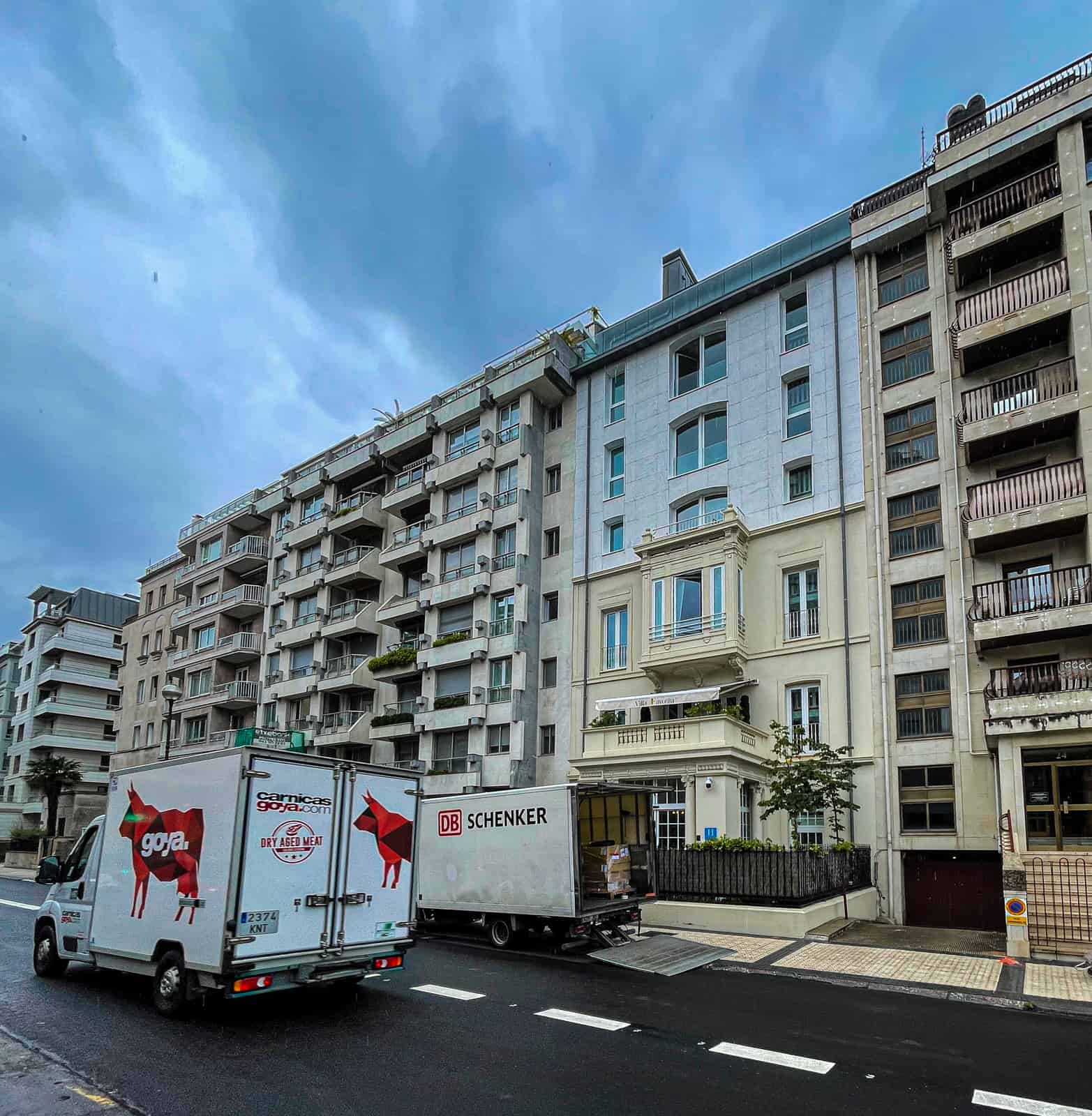
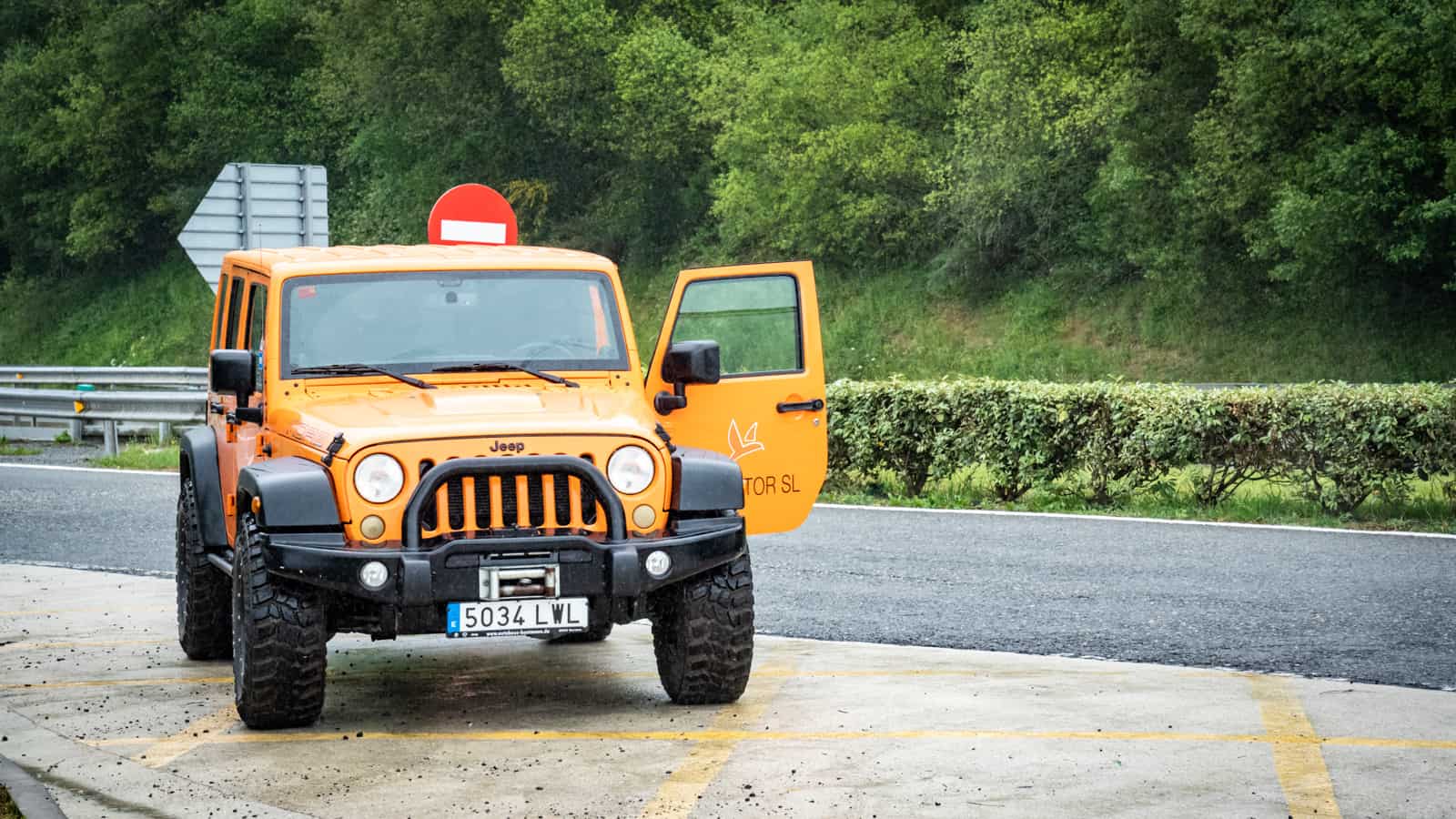
Things turn out differently. Than you expect. We set off from beautiful San Sebastián in the rain. Sitting again in the orange Predator Jeep, we had considered driving to the French pilgrimage town of Lourdes. Because we wanted to spend a bit of time in the Pyrenees. And before heading back to Barcelona on Friday, we wanted to have visited Huesca.
Off to France
So we head towards Lourdes. But is constant rain a good option for our next destination? In Spain, you break the typically German male ritual of always checking the weather forecast and considering things like weather stations as valuable gifts. Because the weather is usually good. But here in the mountains of Spain, the topic catches up with us again.
Back to Spain
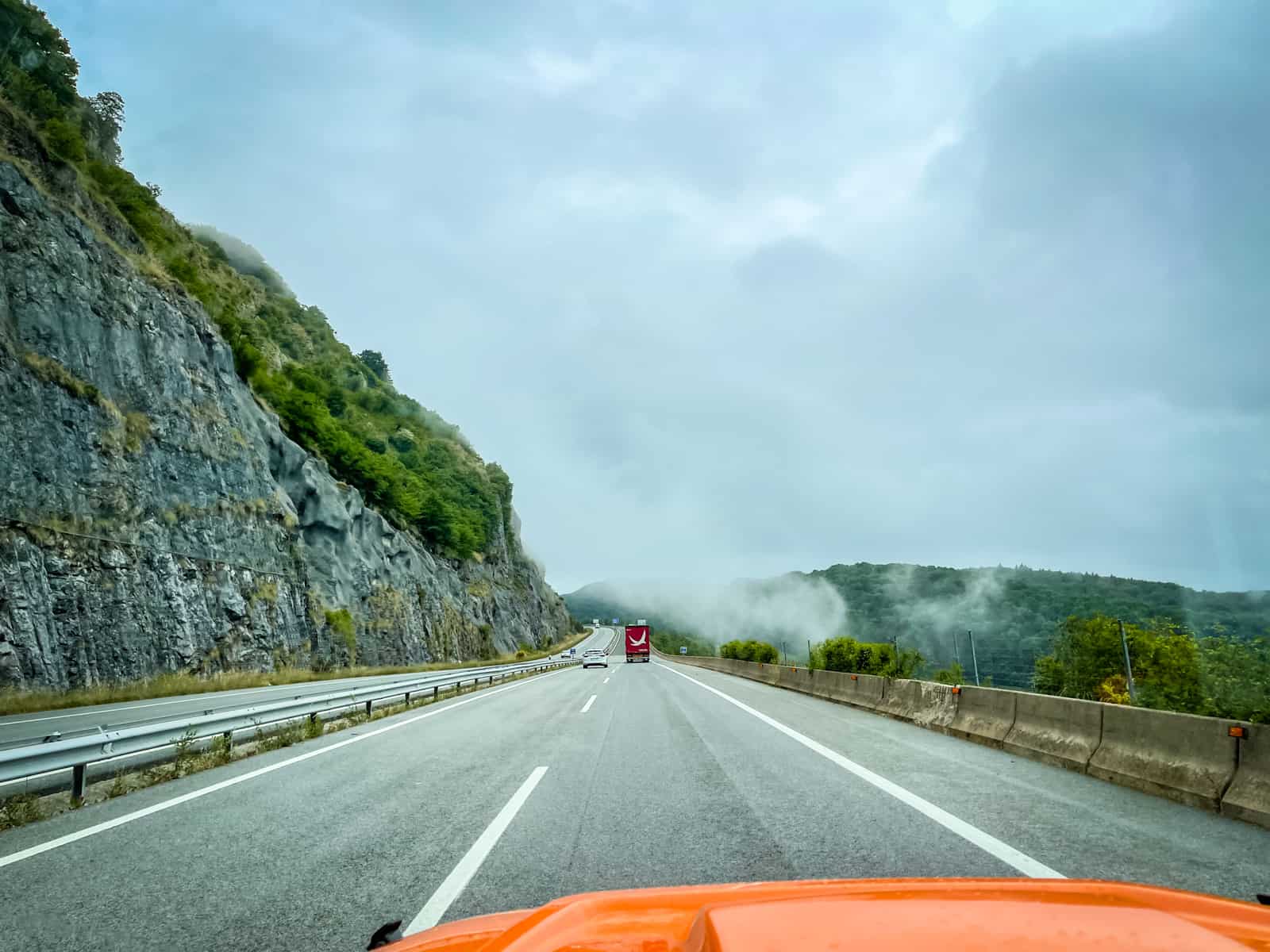
It happened as it had to. We turn around shortly after the French border and drive back south. Then orient ourselves eastward. Through high mountain landscapes that are incredibly impressive. Even in the constant rain. Unfortunately, I didn't manage to capture it really well. Still, I don't want to withhold a few impressions from you.
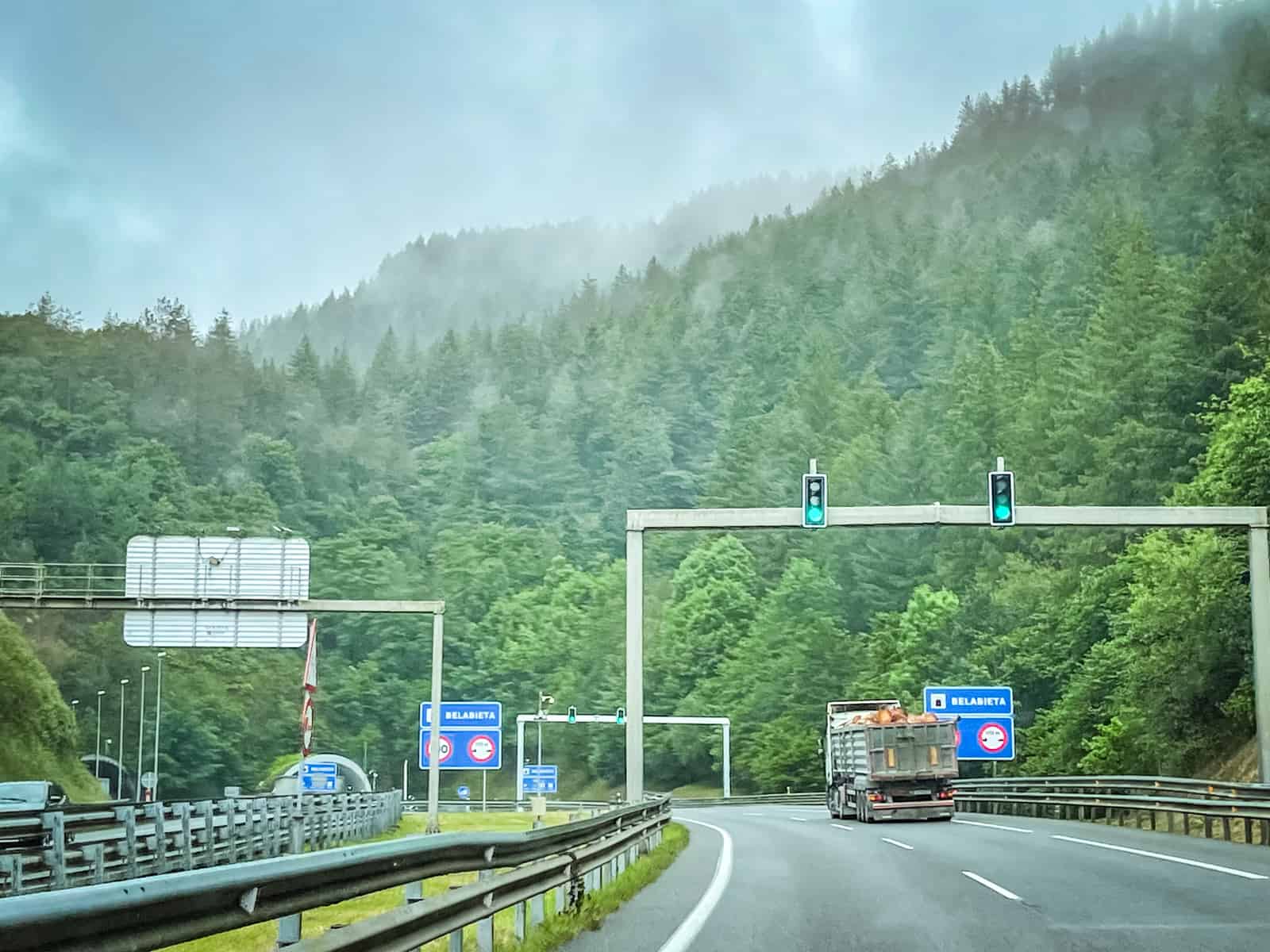
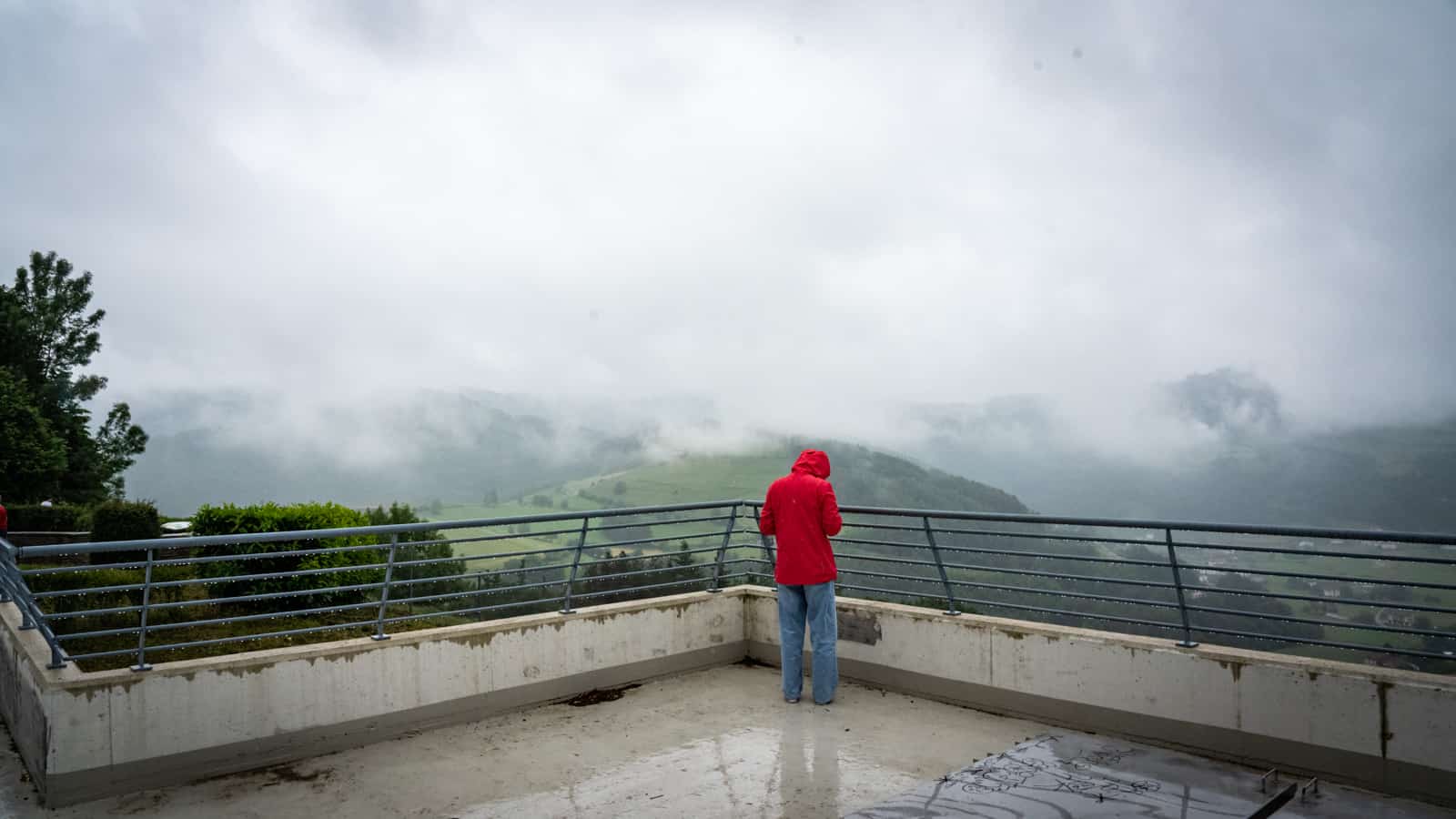
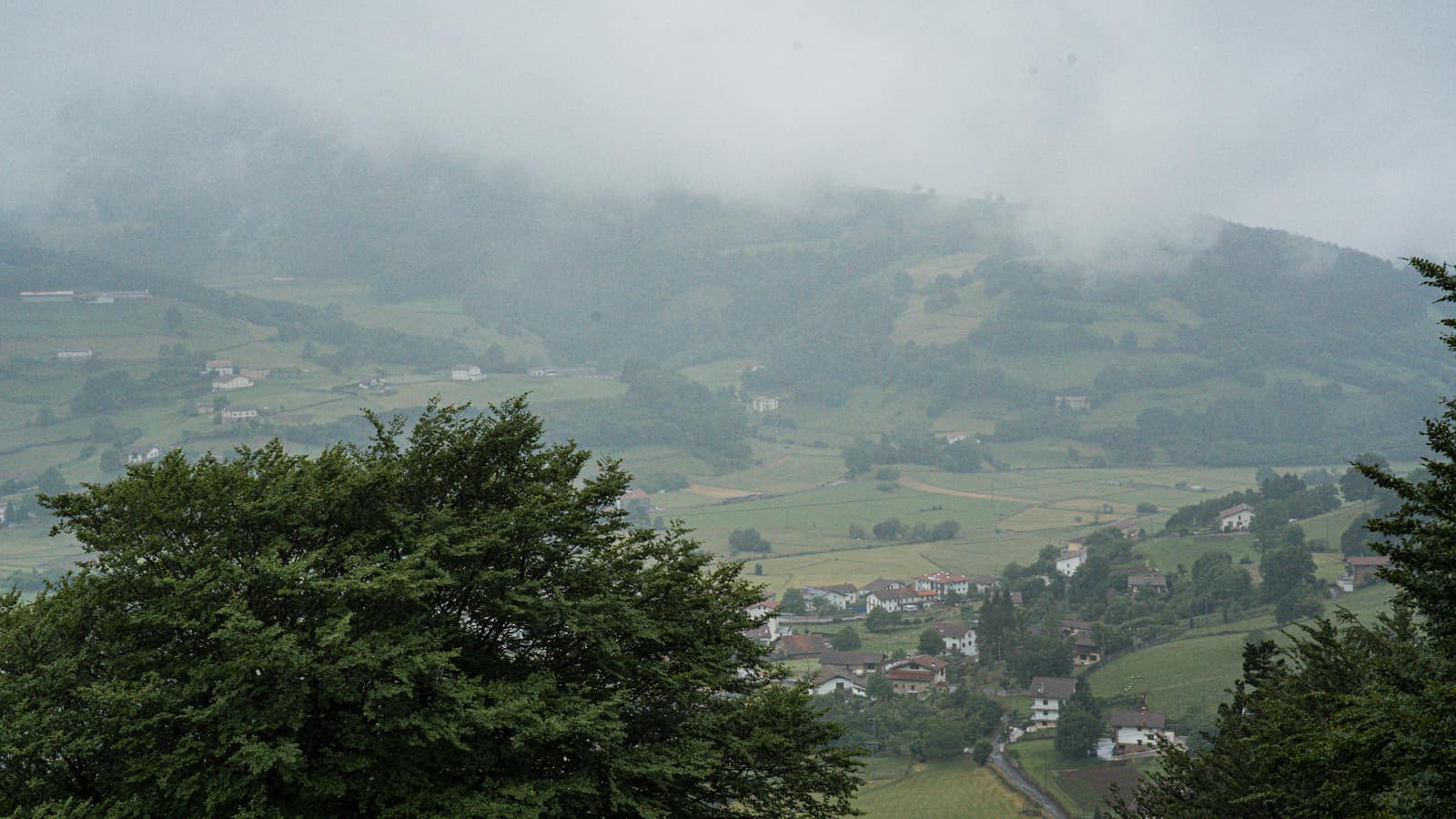
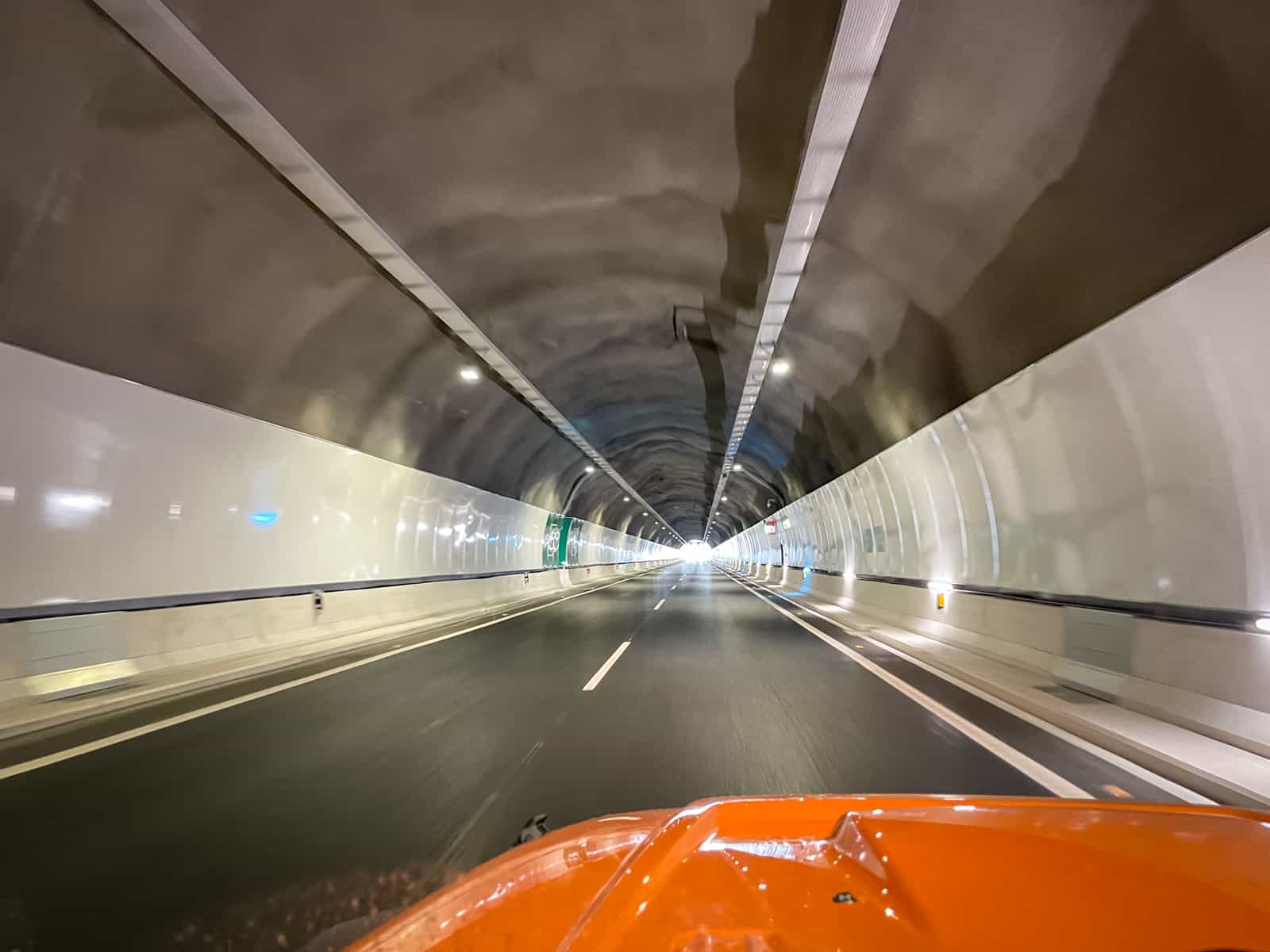
At some point it gets brighter. The sky occasionally breaks open. Later on the fairly new A-21, or more melodiously the Autovía del Pirineo, spectacular cloud formations remain in the sky.
Motorway and Motorway?
In Spain, by the way, the terms Autovía and Autopista are common. The Autopista is usually the better-built, higher-speed road more similar to a German Autobahn, while the Autovía is more of a super-upgraded country road. One that can sometimes end at a traffic light or have a junction in the middle. A nice side effect of the Autovía is that there are never toll sections. As a rule, Autovías are designated by the prefix A and Autopistas by the AP.
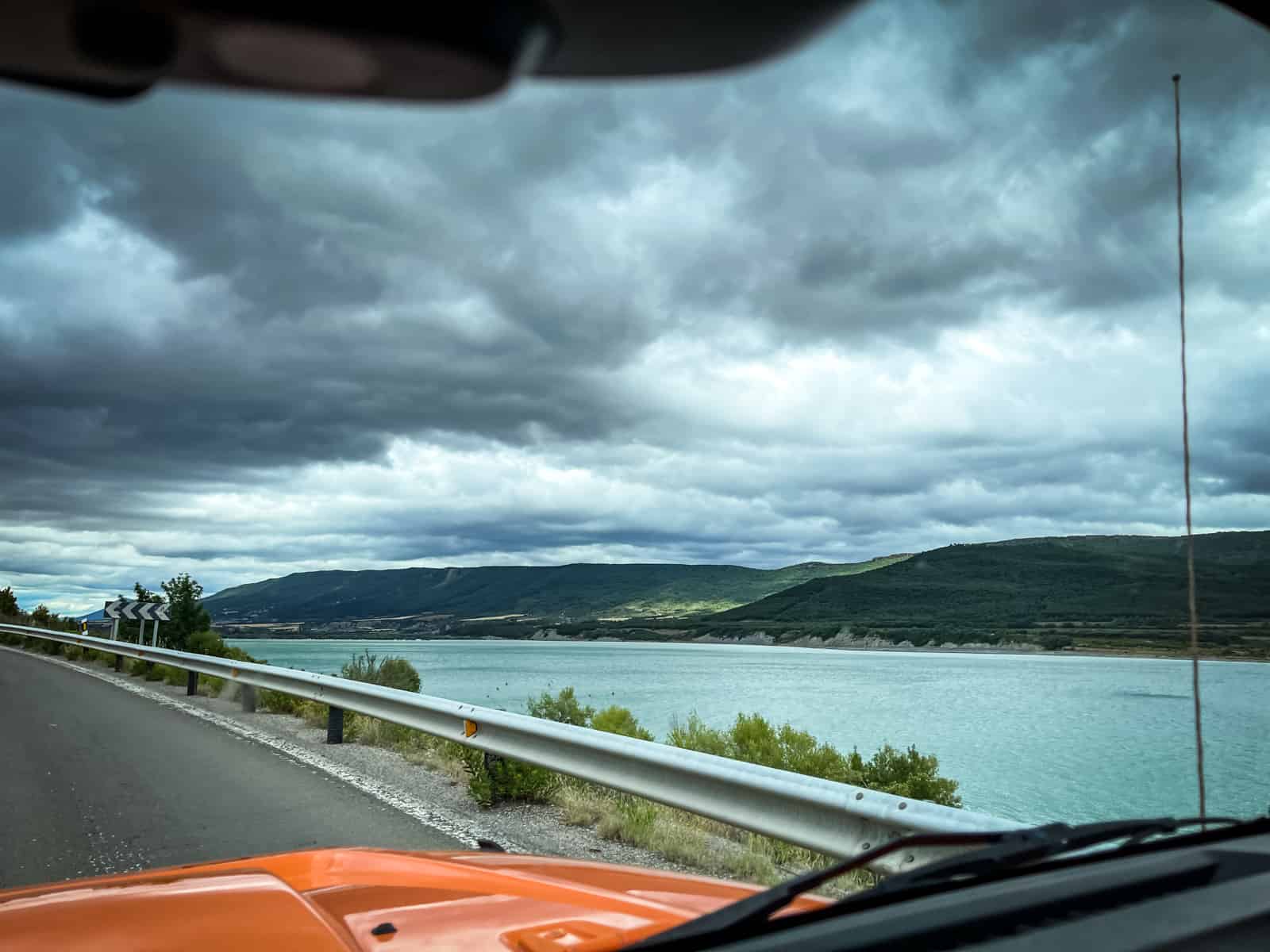
The A-21 is obviously still new. We see partly massive construction sites whose purpose doesn't become clear while driving past. But suddenly a huge body of water appears before us, which will be our companion for an incredibly long time (precisely 18 kilometres). As I later read up, it's the Yesa Dam, which impounds the river Aragón into a lake up to 2,089 hectares in size.
18 Kilometres of Reservoir
The 74-metre-high dam wall, completed in 1959, withstands the pressure of up to 18 kilometres of reservoir at its longest point. Should anything ever go wrong there, a gigantic flood wave would pour over the town of Yesa and certainly several more villages, with unimaginable damage.
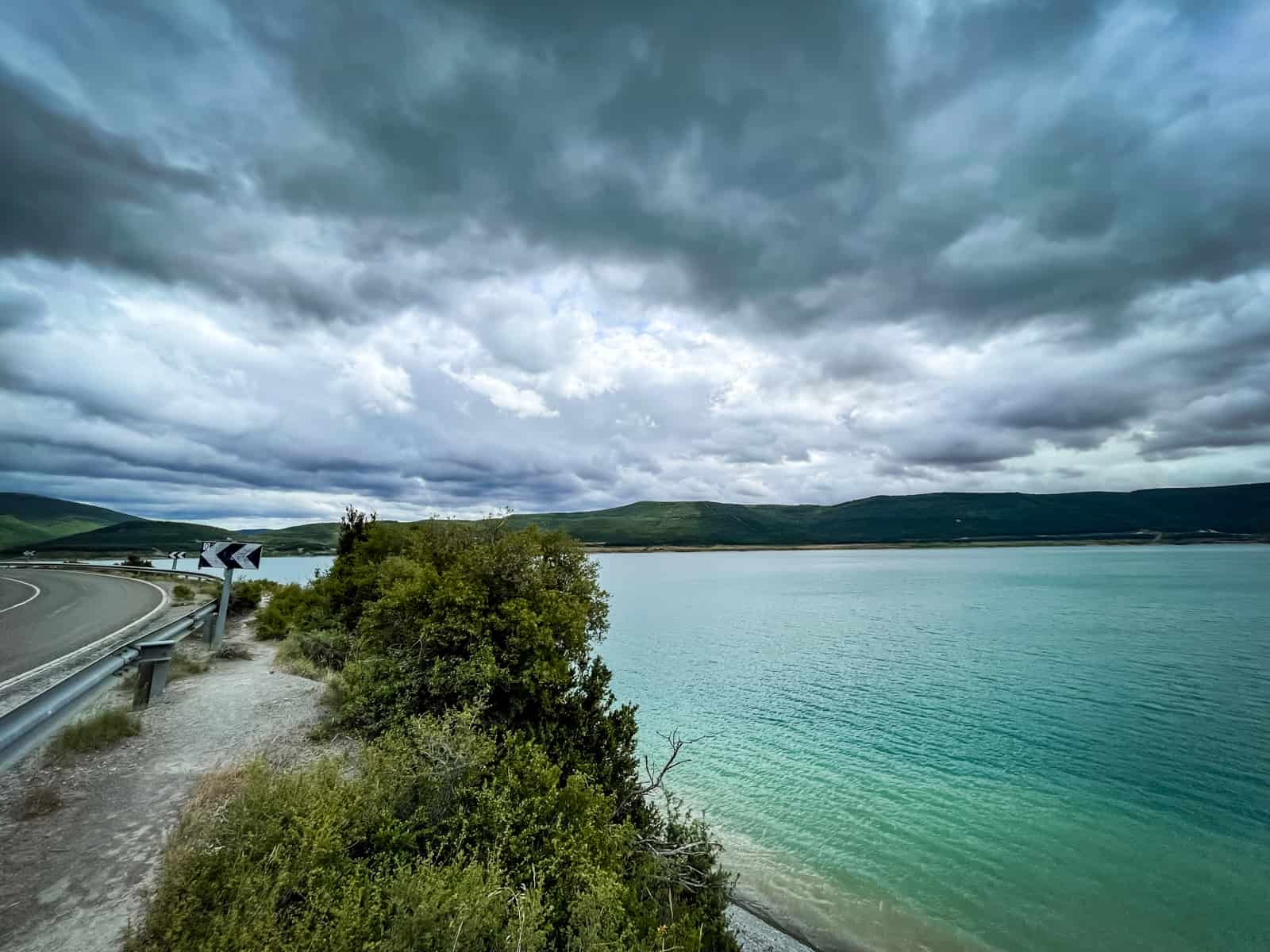
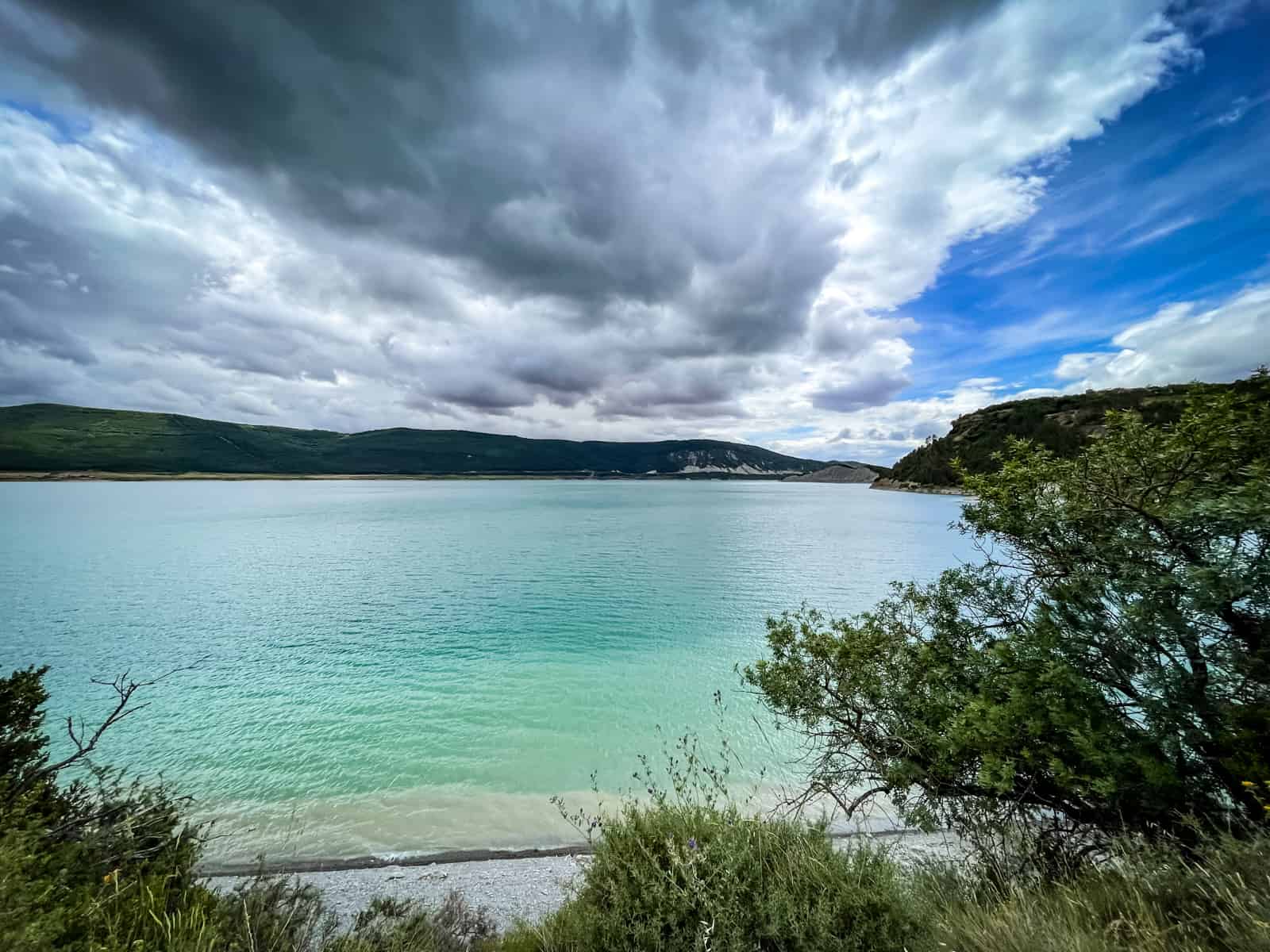
Restaurant Sarbil in Jatetxea
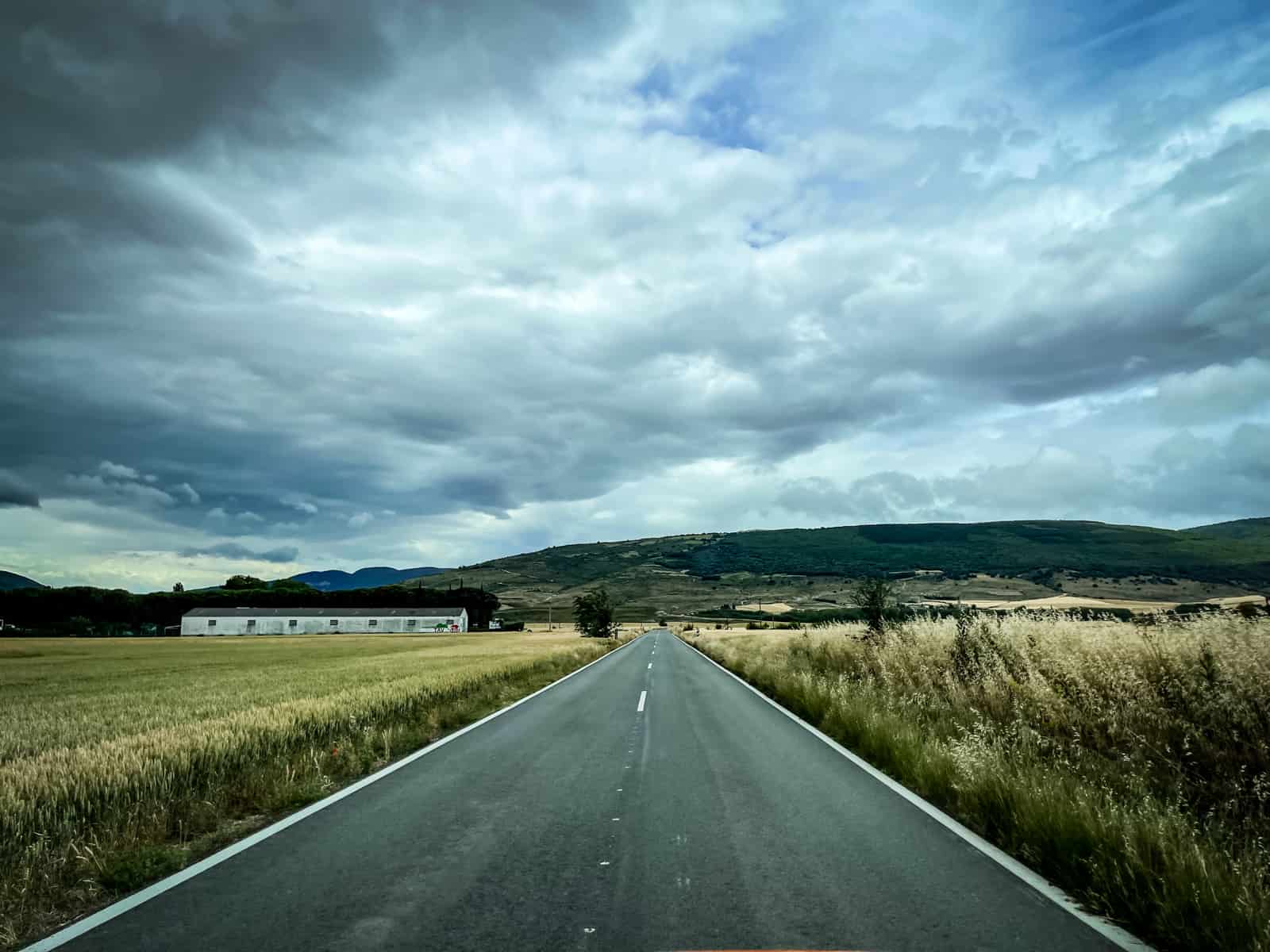
My eldest had found a good spot for our lunch: Restaurant Sarbil in a place with the unpronounceable name Jatetxea. So we drive on smaller roads to this village and find the only modern building we've seen in the last 30 minutes: our restaurant. I'm thrilled with the choice and we march in.
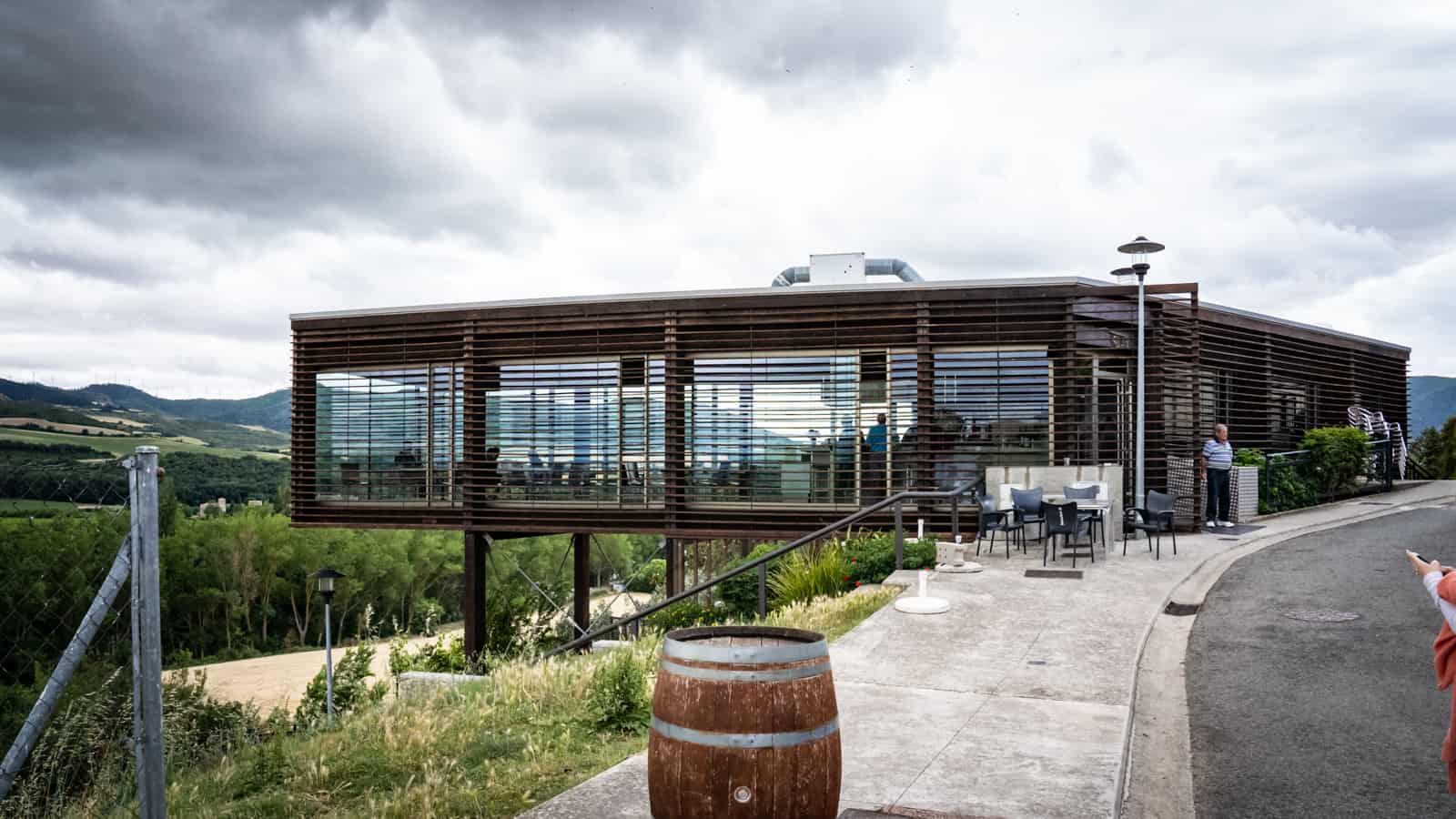
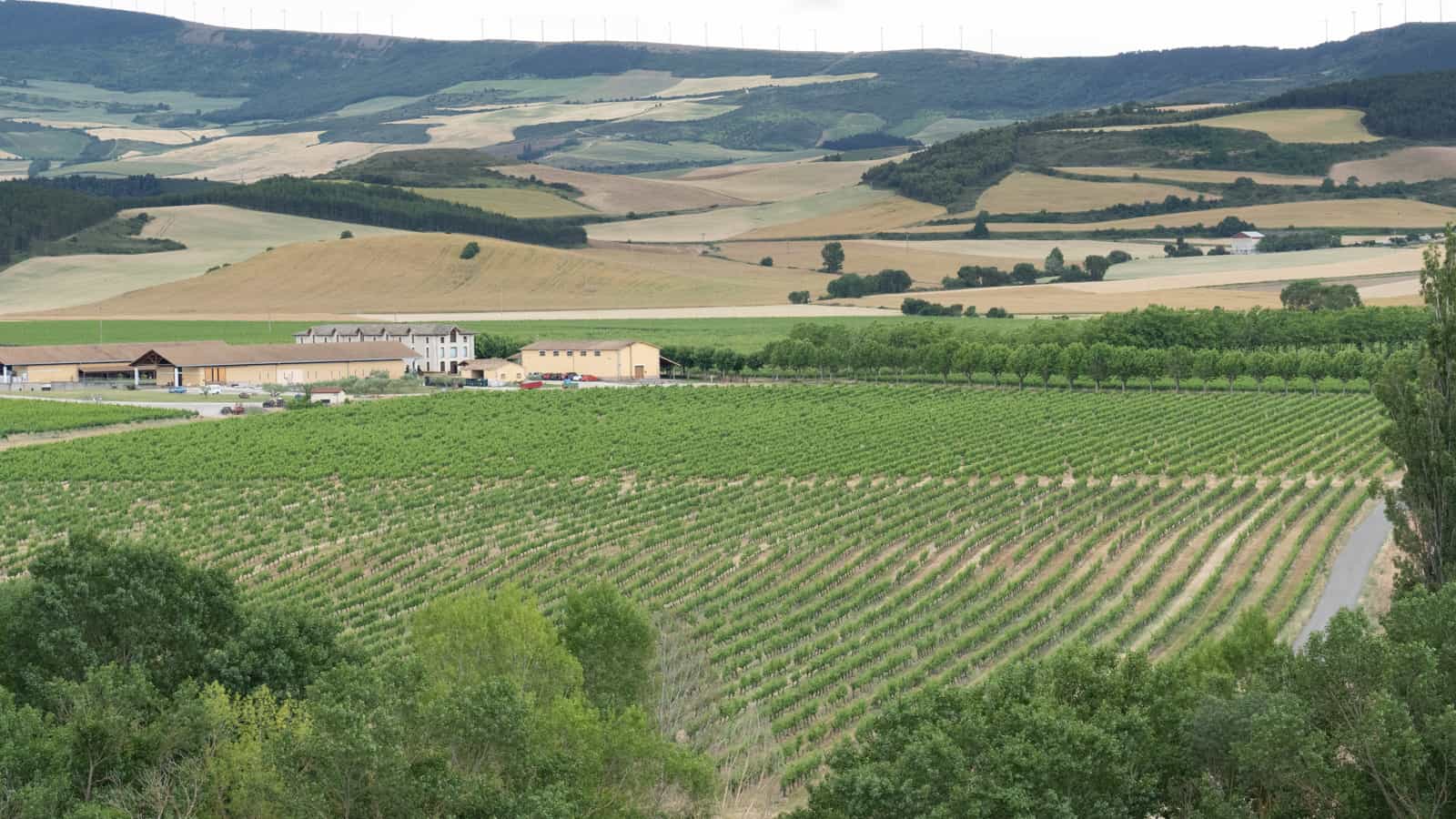
Restaurant Sarbil: Colourful and Transparent
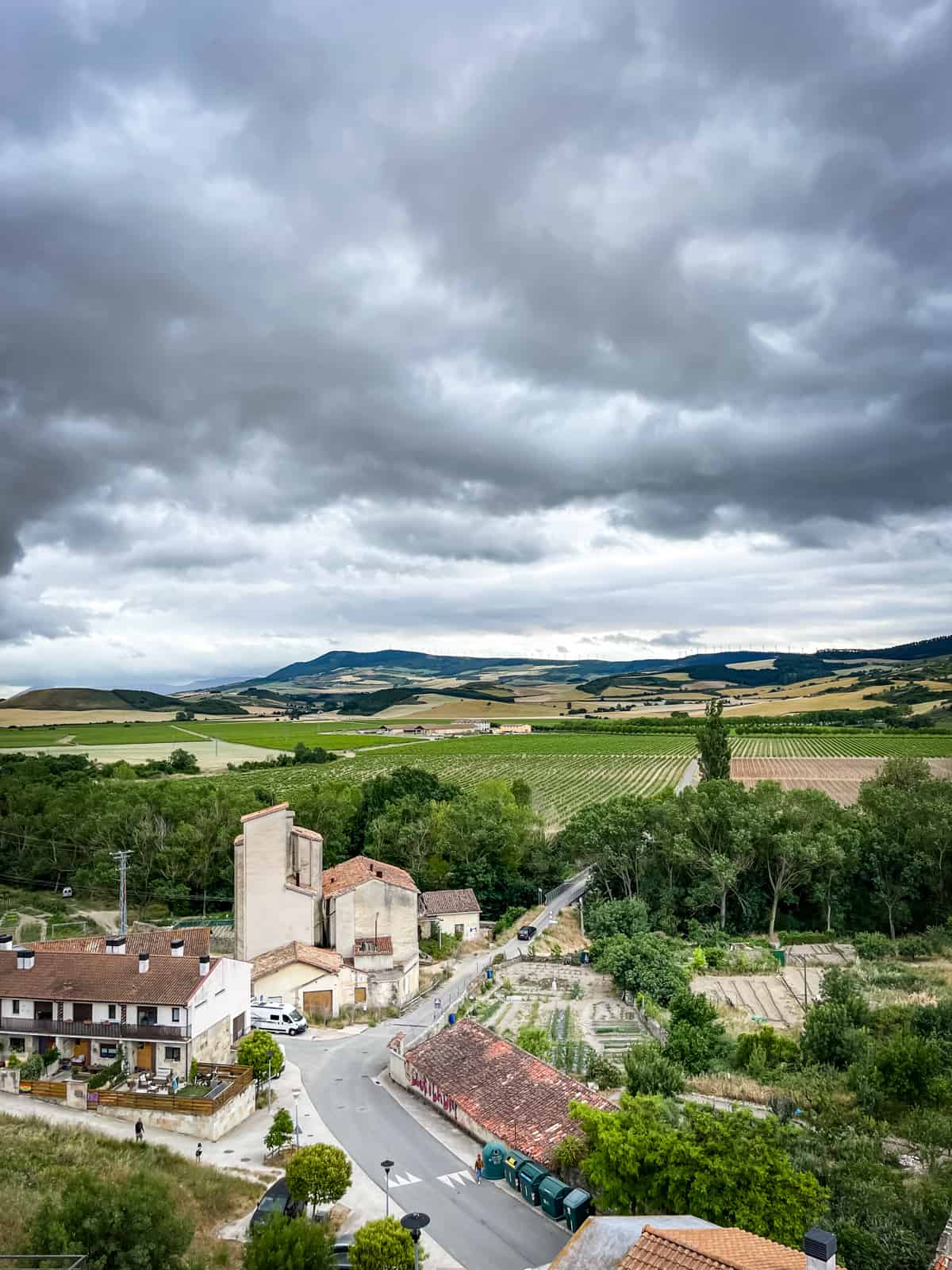
Inside, it's somehow quirky. On one hand, super modern. An incredible view in three out of four possible directions. But at the same time, it's like a typical rural Spanish pub. With mostly older gentlemen, except here they're clad in high-visibility functional clothing. I call it "Bauhaus meets pub".
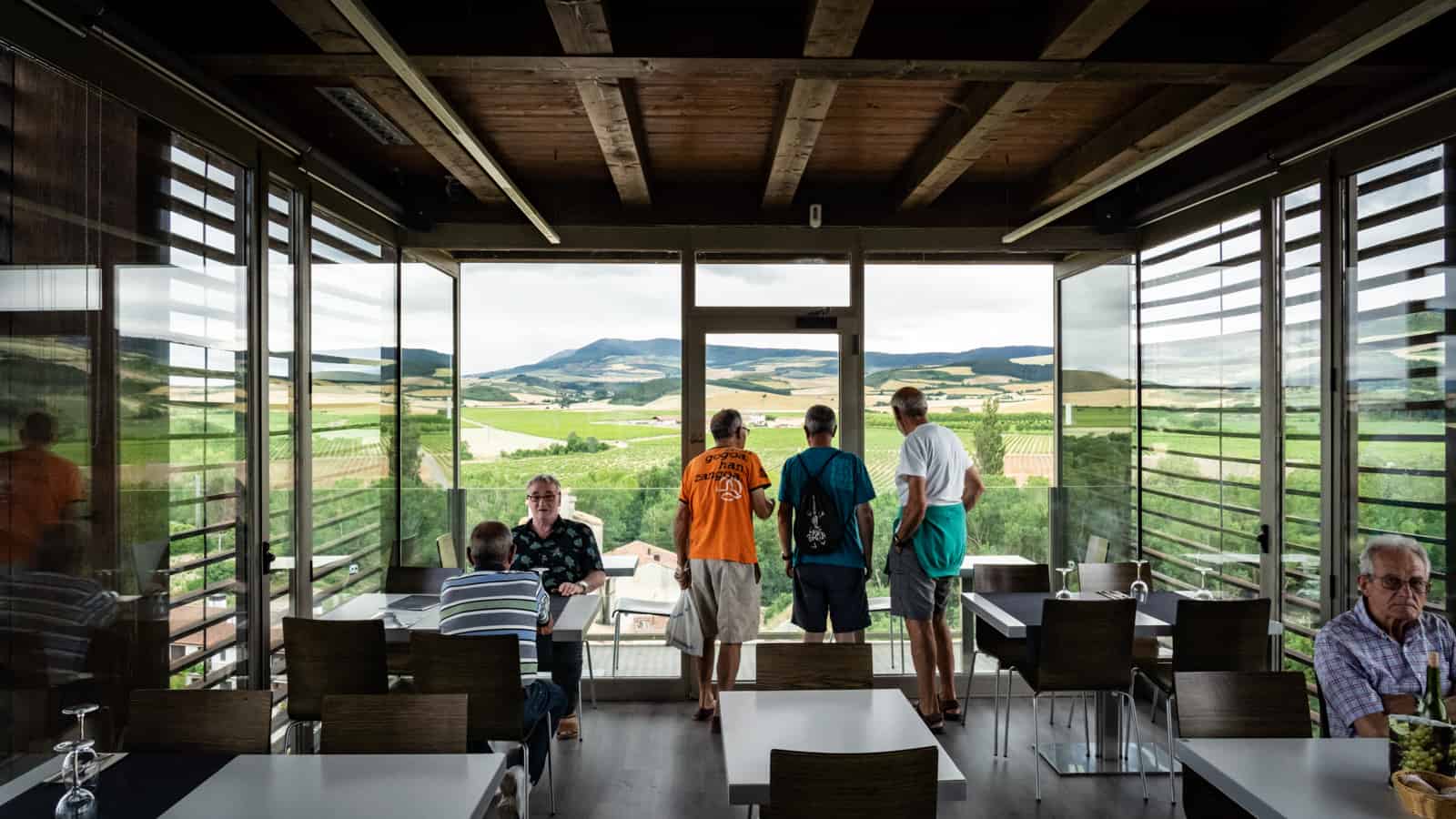
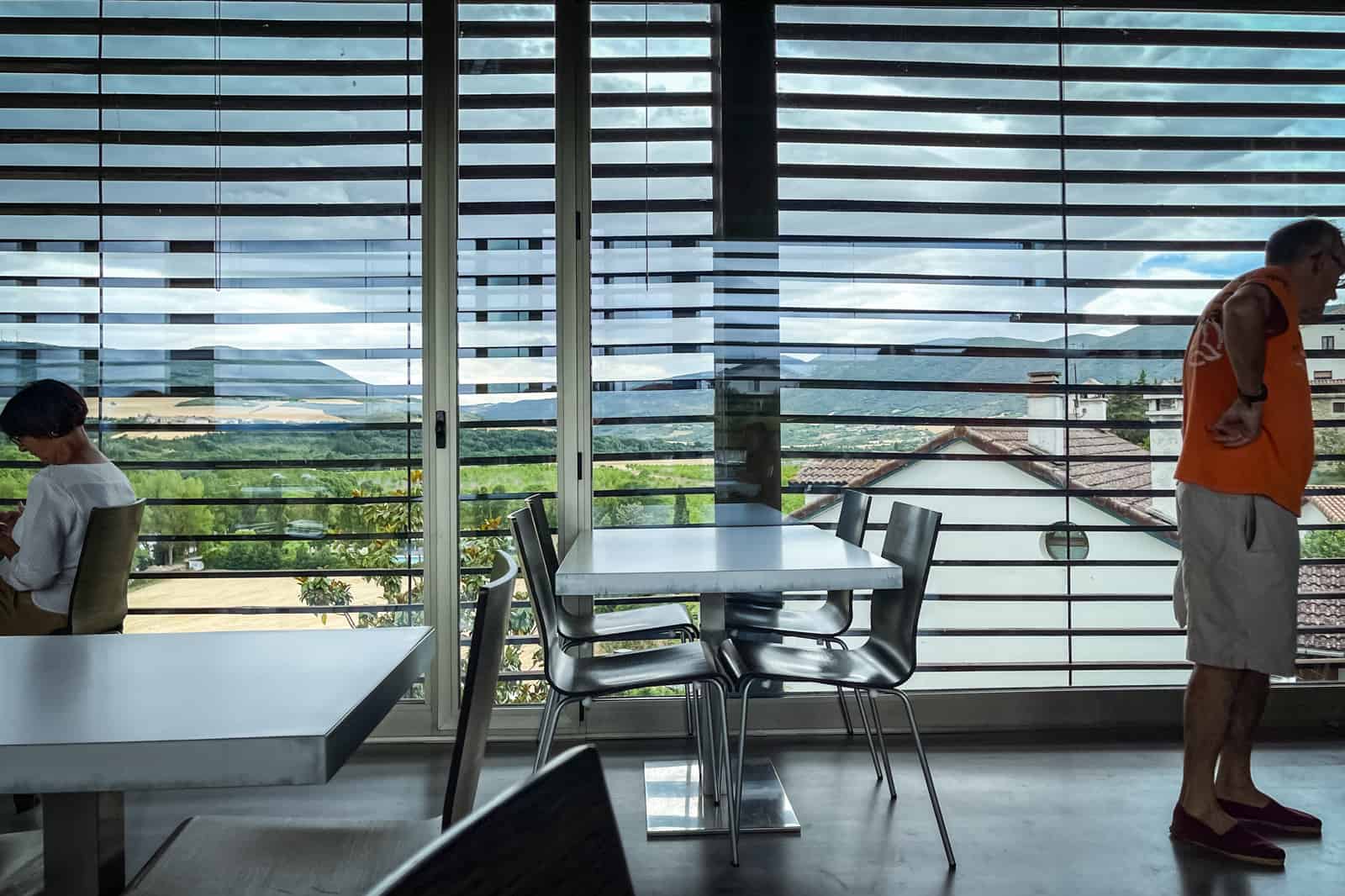
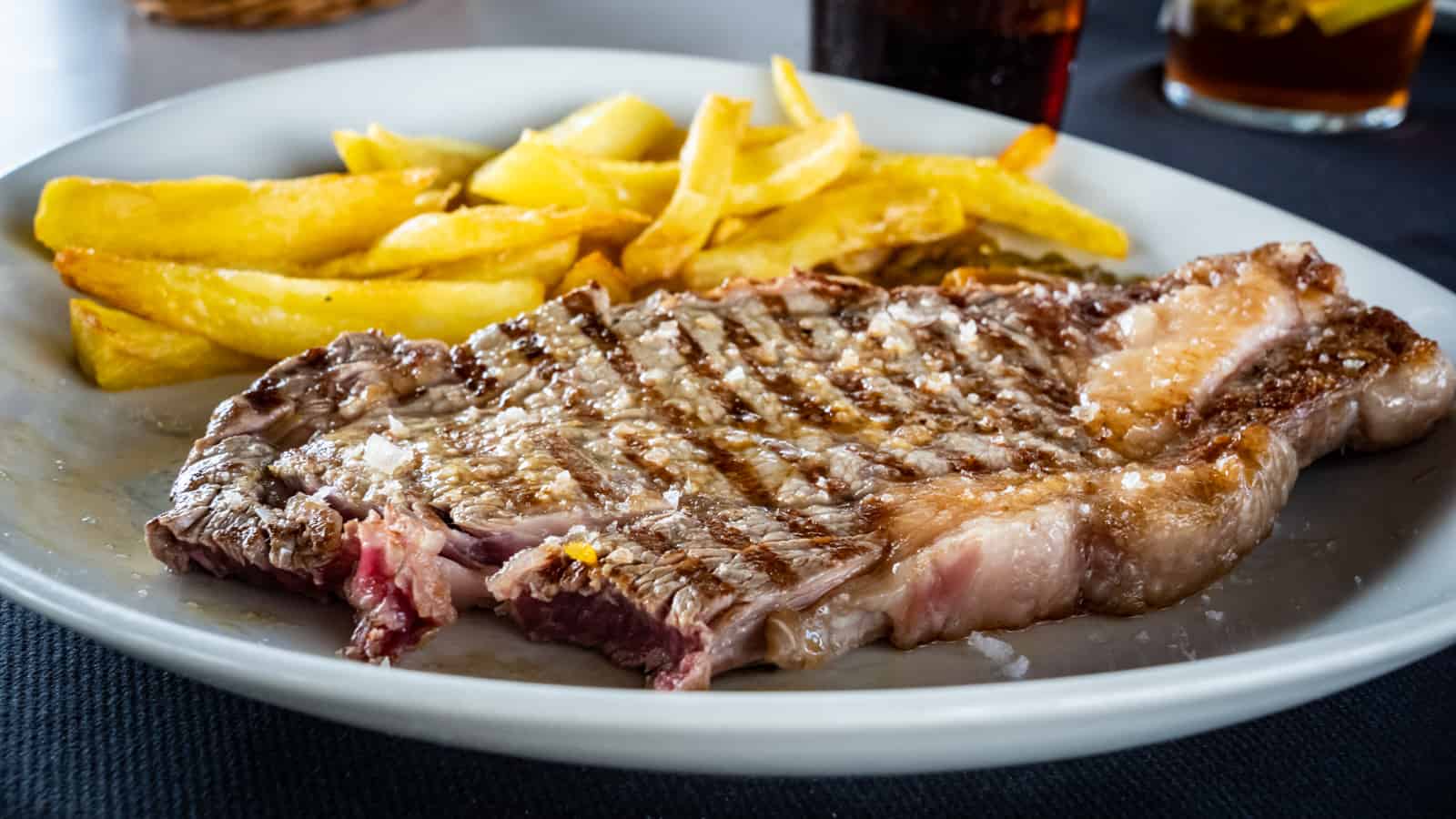
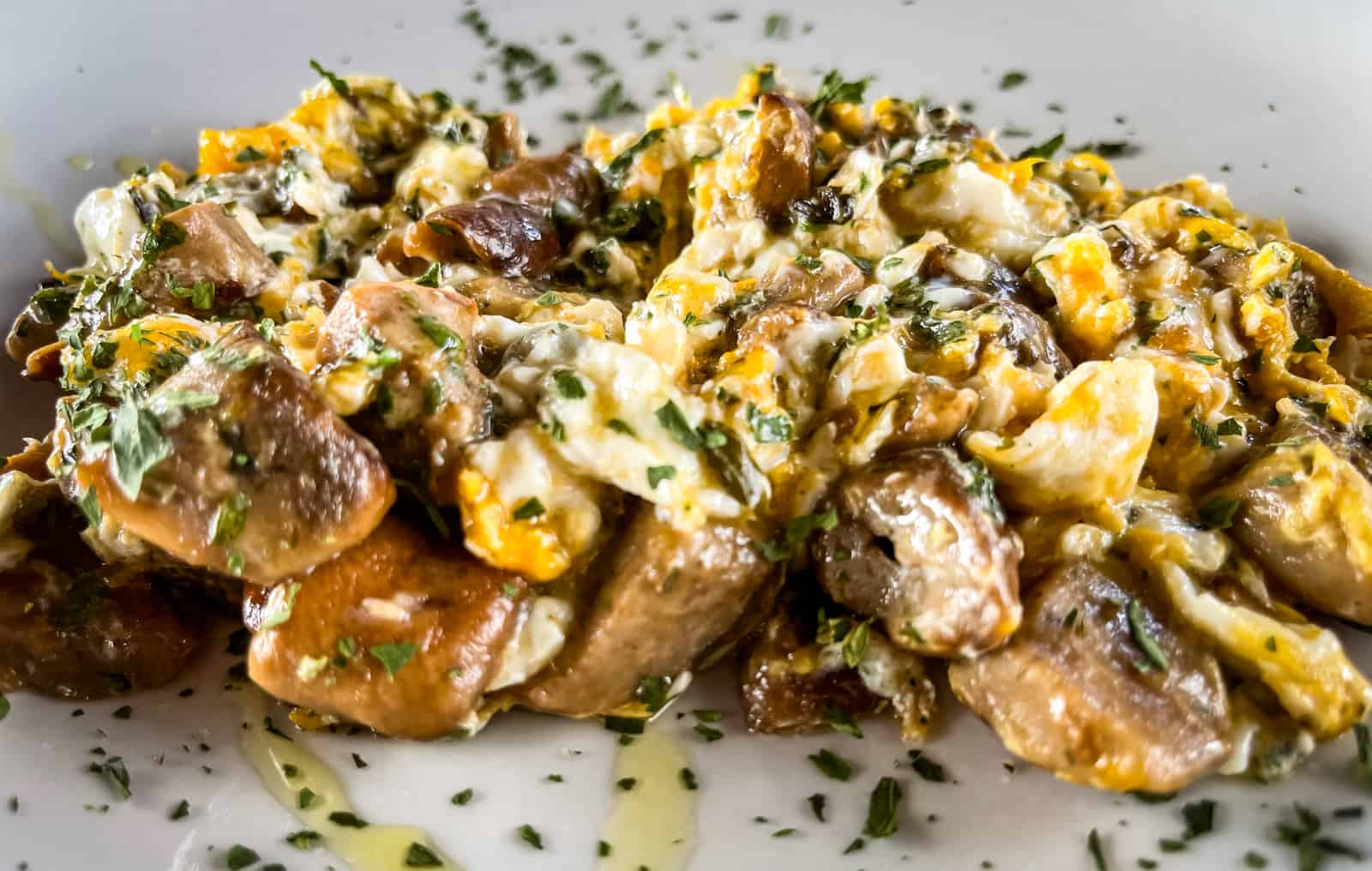
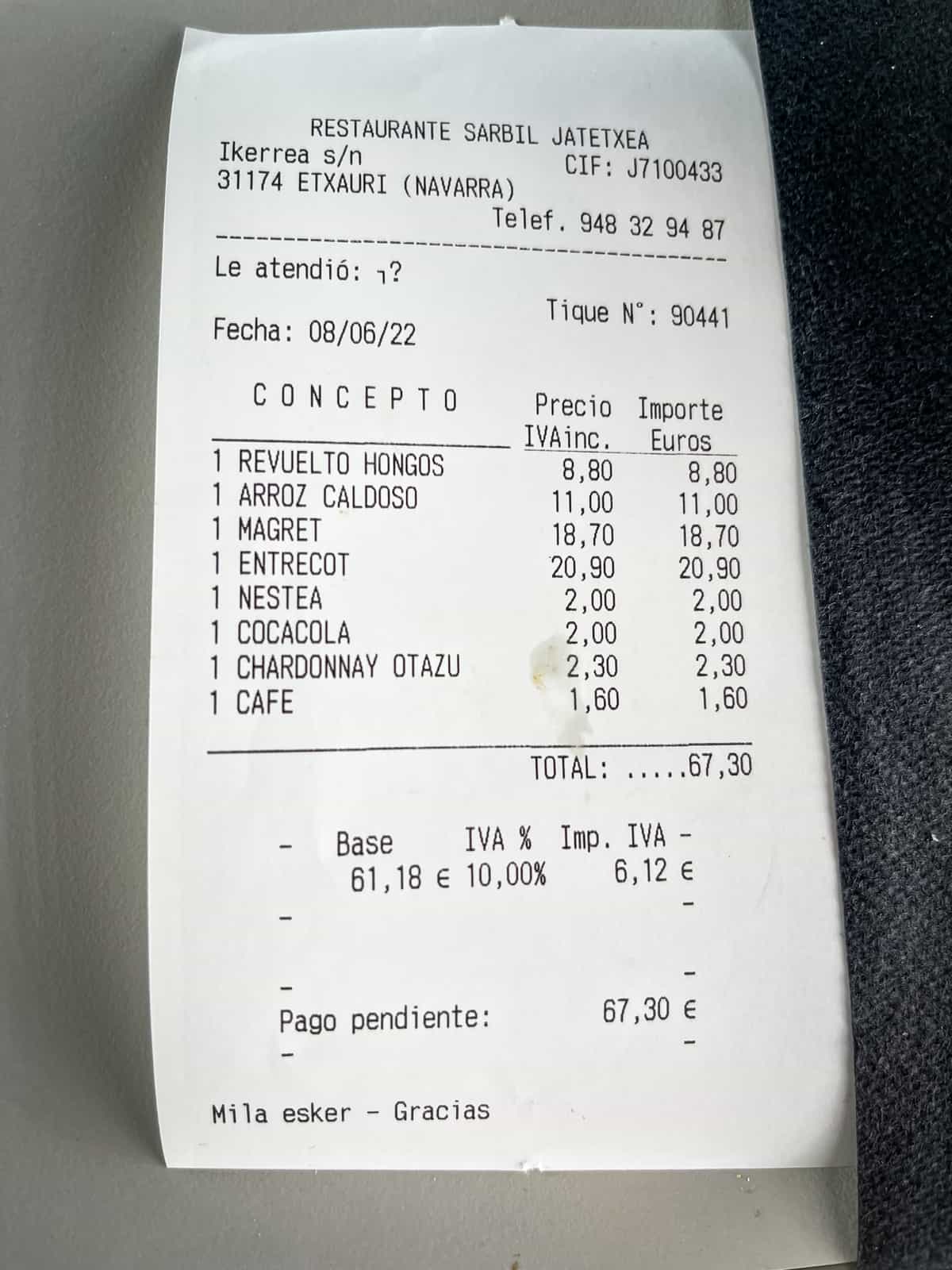
At Restaurant Sarbil, the menu is digital. I treat myself to a glass of white wine, it comes from the vineyard opposite. A Chardonnay that I enjoy. As a starter, I get a plate of scrambled eggs with wild mushrooms. The mushrooms are a bit watery, but the scrambled eggs taste good. It's similar with the entrecôte as the main course: the meat is really good, but the chips could have used a bit more time to get crispier. My eldest's arroz as well as the duck breast were both decent too, but more village pub than Bauhaus.
Since that was equally reflected in the bill, Restaurant Sarbil was a very good choice for a lovely stop while passing through. And really recommendable if you're ever in the area!
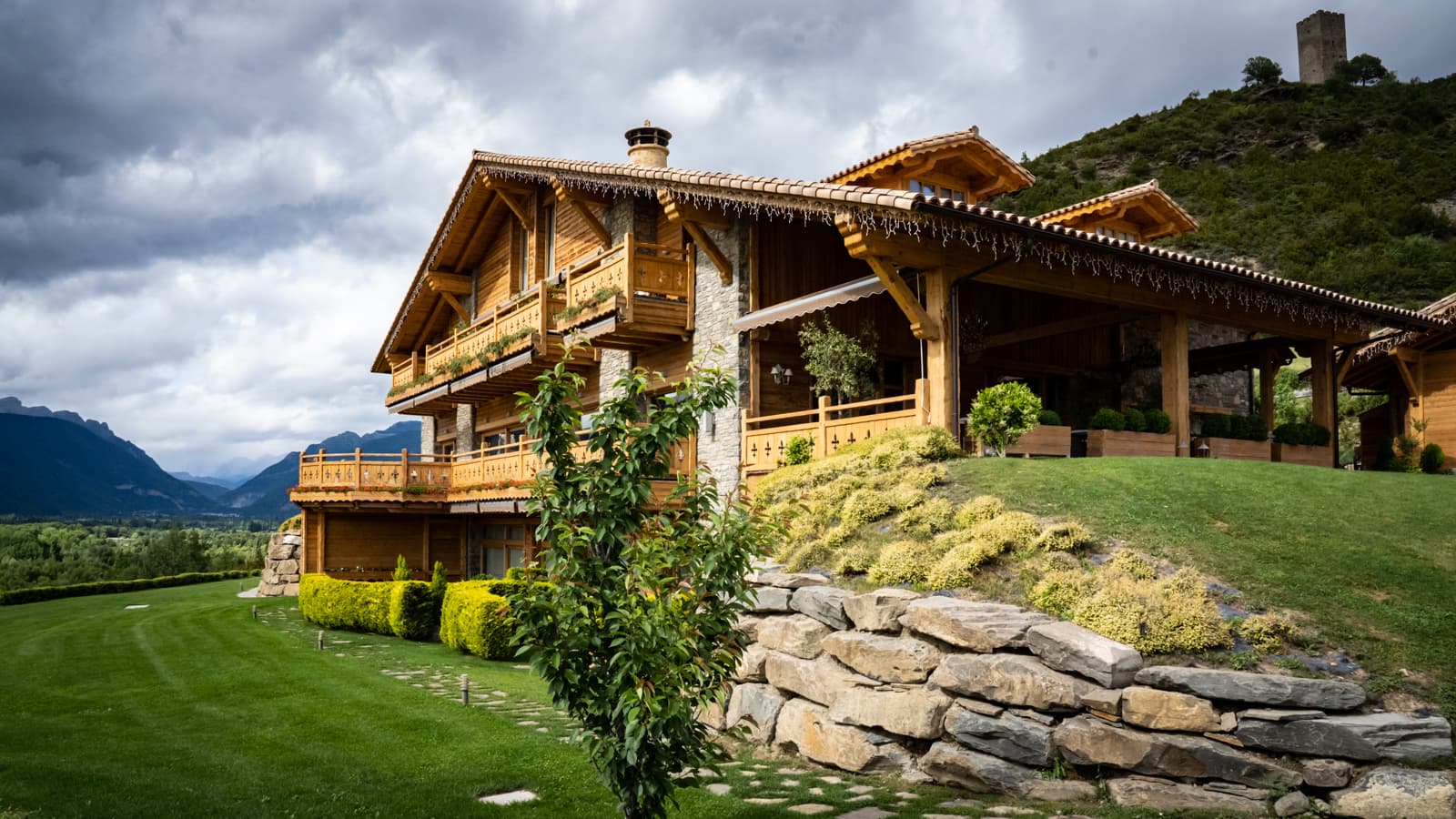
While we're sitting over lunch, this time I find a hotel. It looks like a typical Tyrolean chalet. Wood-adorned. Fairy lights. Large balconies spanning the entire width of the building. And that in Spain. I find it mega quirky, so we book two rooms and hit the road again.
Off to Tyrol
We drive another relaxed hour and a half, then we arrive at Hotel Viñas de Lárrede. As if it had been dismantled in Tyrol. And reassembled here in Spain. Later I notice that the woodwork apparently had to be learned first by the carpenters. A few spots are somehow crudely finished, partly patched up with filler. Others are perfect. It was probably "training on the job" and the Spanish carpinteros first had to figure out the specific Tyrolean techniques?
- Hotel Viñas de Lárrede in all its glory
- Chill-out zone in front of the entrance
- my room
- the balcony
- And the view "to the right"
We receive an incredibly warm welcome. We get chatting and hear that the area is supposedly a dream territory for mountain bikers. And that we could rent electric mountain bikes. And we get a small stack of papers with tour suggestions. We then consider simply adding another night (price per room just under 200€) and doing a cycling tour in the mountains the next day.
Generally, the price for the quality of the rooms at Hotel Viñas de Lárrede is relatively affordable. As I later learn from conversations with various locals, June simply isn't the season yet. In July and August things apparently really kick off, just like in winter. But in glorious weather, we enjoy the relative emptiness of towns and nature. In winter, cross-country skiing and motor- and dog-sled riding are the sports of choice — there are almost no slopes ruined by ski lifts here.
Dinner at the hotel is perfectly fine. Some things are very good, others truly mediocre. The service is super friendly. But the food, summed up, is such that you can eat it contentedly as a hotel guest. But wouldn't drive to Hotel Viñas de Lárrede specifically for it. So I'll spare us a lengthy treatise on the subject and instead close out the day with a few spectacular sunset photos that you can take from the restaurant terrace.
With that: Good night!
Arnd